
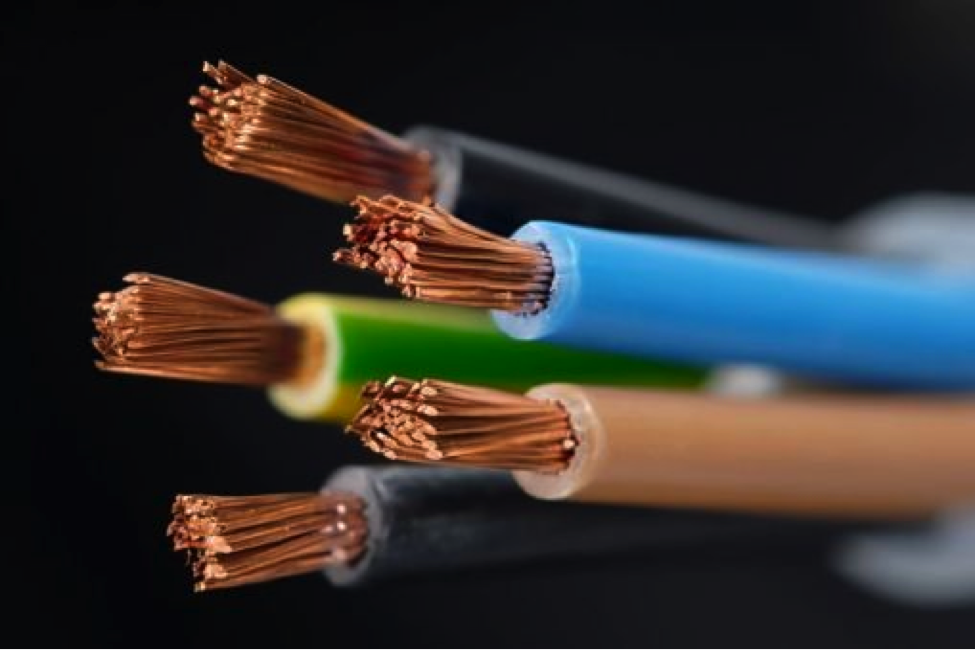
The Copper Crisis: Why Record Prices Will Heat Up AC Costs and Reshape Electronics Manufacturing in India
A structural supply shortage is quietly becoming one of the most powerful forces shaping prices, manufacturing decisions, and India's energy transition.

Copper is not a metal most consumers think about. Yet today, it is quietly becoming one of the most powerful forces shaping prices, manufacturing decisions, and India's energy transition.
In 2025, copper prices surged 42% to a record $13,310 per tonne (₹1,318/kg)—the highest level in history. This is not a speculative spike or a short-term commodity cycle. It is the result of a structural supply crisis colliding with unprecedented global demand from electric vehicles, AI data centers, renewable energy, and rising geopolitical defense spending.

This analysis explains why copper prices are rising, why they are unlikely to fall meaningfully, and what this means for India's consumers, manufacturers, and policymakers.
Why Copper Is Different From Other Metals
Not all industrial metals are facing the same reality.
- Steel suffers from global oversupply
- Aluminum is abundant and partially substitutable
- Silver is niche and solar-specific
Copper, however, sits at the center of electrification.
It is essential for:
- Electric vehicle motors and wiring
- AI and hyperscale data center cooling systems
- Renewable energy grids and transmission
- Consumer appliances like ACs, refrigerators, and washing machines
Unlike other metals, copper has no true substitute that matches its electrical conductivity, thermal efficiency, and durability at scale.
That makes copper uniquely vulnerable when demand accelerates faster than supply.
A Once-in-a-Generation Demand Explosion
Global copper demand is being hit from four directions at the same time:
1. Electric Vehicles: 3–4× More Copper Than Petrol Cars
An EV uses 80–100 kg of copper, compared to just 20–30 kg in an internal combustion vehicle. As EV adoption scales globally—and India targets 30% EV penetration by 2030—copper demand becomes non-negotiable
"Electric vehicles use 4x more copper than combustion engines. We've analyzed the complete cost structure in "Why EVs Are Still Expensive in India" (Jan 22).
2. AI Data Centers: The Hidden Copper Hog
A traditional data center uses 5,000–15,000 tonnes of copper. A hyperscale AI facility can require up to 50,000 tonnes due to power density and cooling requirements.
AI infrastructure investment is exploding—and copper efficiency directly reduces operating costs, making high prices acceptable.
3. Renewable Energy & Grid Expansion
Solar, wind, and grid modernization require multiple times more copper than fossil-fuel systems. India's 500 GW renewable energy target makes copper a structural input, not a discretionary one.
"Solar panels and wind turbines are copper-intensive, contributing to rising renewable energy costs despite cheaper panels. Full analysis: "Renewable Energy Costs Rising" (Jan 22)
4. Defense & Geopolitical Spending
Rising global tensions are driving defense budgets higher. Copper is critical in electronics, alloys, and infrastructure used in defense manufacturing.

Why Supply Simply Cannot Keep Up
The supply side is where the real problem lies.
Declining Ore Grades
Copper ore quality has been falling for decades. Lower grades mean more energy, more water, and more capital per tonne—raising costs and limiting scalability.
The Time Trap
A new copper mine takes 17–25 years from discovery to production. Even if approvals happened today, new supply would arrive after 2040, when demand pressure is already extreme.
Recent Supply Shocks
Major disruptions in 2025 removed 500,000+ tonnes of expected global supply, pushing prices into record territory and exposing how thin the system has become.
Extreme Geographic Concentration
Just six countries produce ⅔ of global copper, while China controls ~40% of global smelting capacity.
This makes copper highly sensitive to:
- Geopolitical tensions
- Trade restrictions
- Environmental regulations

Why Copper Prices Hit $13,000—And Why They'll Stay High
Copper didn't jump from $9,000 to $13,000 by accident.
The rally reflects:
- Real physical shortages (the primary driver)
- Financial hedging against geopolitical risk
- A weaker US dollar amplifying price moves
Most credible forecasts suggest:

The Direct Impact on India: Why AC Prices Are Rising
Air conditioners are among the most copper-intensive consumer products.
- Copper accounts for 20–30% of AC manufacturing cost
- A 42% rise in copper prices adds ₹4,500–₹7,000 per unit
- Manufacturers operate on thin margins and have no choice but to pass costs on
As a result:

Across 11.5 million AC units, this translates to ₹5,000–₹6,300 crore in additional consumer costs.
"For a detailed breakdown of how copper affects ALL consumer electronics, read our full analysis:"Electronics Inflation Explained" (Jan 22)
The Ripple Effect Across Consumer Durables
The copper shock does not stop at ACs.
Affected categories include:
- Refrigerators and washing machines
- Kitchen appliances and motors
- Electrical wiring and cables
- Rooftop solar installations
- EV charging infrastructure
This creates broad-based consumer goods inflation, squeezing affordability and slowing adoption in price-sensitive segments.
Why Manufacturers Can't "Just Switch" to Aluminum
Aluminum substitution sounds logical—but reality is harsher.
- 37% lower electrical conductivity
- Worse heat transfer efficiency
- Larger size required for same performance
- Higher lifetime electricity costs for consumers
With stricter energy efficiency regulations, copper remains the only viable material for many applications.
Manufacturers are paying the premium—and redesigning only at the margins.
India's Strategic Vulnerability
India imports ~70% of its refined copper, making it highly exposed to global price swings.
Key risks:
- Rising import bills with every $1,000 price increase
- No quick domestic mining solution
- Closure of major smelting capacity in the past left a permanent gap
- Semiconductor and EV ambitions depend on secure copper supply

The Opportunity: What India Can Do Next
This crisis also creates opportunity—if acted on decisively.
Key priorities:
- Scale copper recycling and e-waste recovery
- Secure long-term supply contracts with producer nations
- Build domestic refining capacity, including semiconductor-grade copper
- Create strategic copper reserves for EV and grid infrastructure

Final Takeaway: The Hidden Copper Tax on Growth
Copper scarcity is becoming a hidden tax on India's growth story.
Consumers will see it in:
- Higher AC and appliance prices
- Slower EV adoption
- More expensive infrastructure projects
Yet copper's scarcity also signals something important: the global shift toward electrification, AI, and clean energy is real and irreversible.
The question is not whether copper prices will matter—it's whether India prepares for a future where copper is structurally scarce, strategically critical, and permanently expensive.

SwapTheMarkets | Market Analysis & Economic Insights
© 2026 SwapTheMarkets. All rights reserved.